
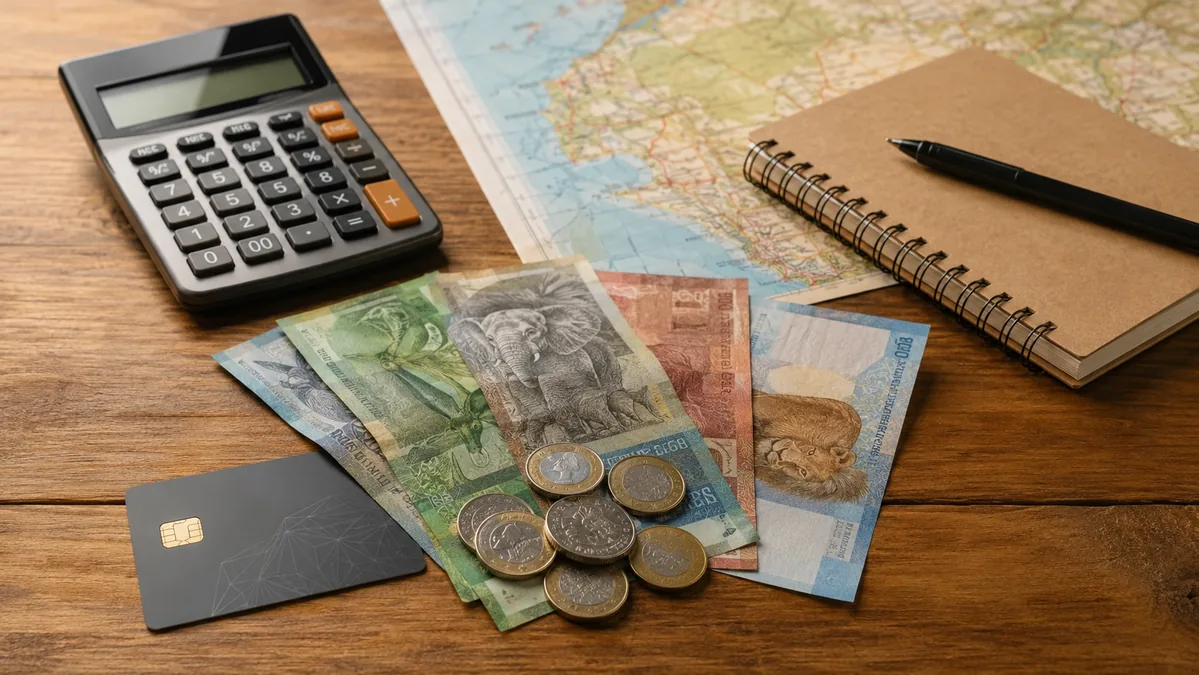
Conditions differ among Africa’s 54 countries and can change. Use this guide as a planning framework, then verify rules for the exact destination, route and date.
Africa uses many currencies
There is no single African currency. Some states share monetary areas such as the West African CFA franc or Central African CFA franc, but those currencies are distinct and acceptance does not automatically cross every border. Other countries use national currencies or, in limited contexts, foreign currency.
Check the current legal tender, exchange rules and rate shortly before travel.
Cash and card acceptance
Cards are common in many major hotels, airlines and urban businesses, while cash may remain essential in markets, smaller towns, parks and border areas. Acceptance can fail during network or power interruptions.
Carry a modest, securely divided cash reserve and at least one backup payment method.
Using ATMs and foreign exchange
Prefer ATMs attached to established banks during opening hours. Review the displayed fee, withdrawal limit and exchange option; dynamic currency conversion is often less favourable than billing in local currency.
Exchange at licensed banks or bureaux, compare the total rate, request a receipt and reject damaged notes. Avoid informal street exchange.
Mobile money and travel budgets
Mobile money is widely used in some countries but registration, SIM ownership and foreign-user access differ. Ask an official provider what is available to visitors.
Budget separately for visas, flights, accommodation, transport, car rental, guides, park fees, meals, insurance, data and tips. Country and travel style matter too much for one Africa-wide daily figure.
Tipping and payment safety
Tipping customs vary by destination, service and tourism sector. Ask the operator whether gratuities or service charges are included and use local guidance.
Tell the bank about travel if required, enable transaction alerts, shield the PIN, keep cards separately and retain emergency funds. Block a missing card immediately.
Planning comparison
| Cost category | What changes the price | Check for |
|---|---|---|
| Accommodation | City, season and service level | Taxes, meals and transfers |
| Transport | Distance, road and booking time | Baggage, fuel, toll and border fees |
| Tours and parks | Permit, group size and season | Mandatory entry and concession fees |
| Payments | Bank, network and currency | ATM fee and conversion markup |
Related Africa travel guides
Official sources and further information
For binding or time-sensitive information, consult the exact destination’s official authorities:
- National immigration authority or foreign ministry for entry and legal rules
- National tourism authority for licensed services and visitor information
- National meteorological service for current weather and seasonal hazards
- Ministry of health or recognised public-health authority for health requirements
- Your embassy or consulate for destination-specific travel advice
Frequently asked questions
Can I pay by card everywhere?
No. Cash remains important in many markets, rural areas, parks and during network failures.
Should I accept an ATM’s home-currency conversion?
Compare carefully; choosing the local currency commonly lets your own bank perform the conversion.
Is there one daily Africa budget?
No. Costs differ greatly by country, season, location and travel style.
Private-service disclosure: AfricaTourVisa provides private travel and visa support. It is not an embassy or government authority. Eligibility, government fees and entry decisions remain with the relevant national authority.