
Conditions differ among Africa’s 54 countries and can change. Use this guide as a planning framework, then verify rules for the exact destination, route and date.
Cultural diversity across Africa
Africa’s 54 countries contain thousands of communities, languages and traditions. National identity, ethnicity, religion, generation and urban or rural setting can all shape expectations. Avoid treating one experience as a rule for the continent.
Observe first, ask polite questions and follow the lead of hosts or a qualified local guide.
Clothing, religion and sacred places
Dress expectations change between beaches, resorts, cities, rural areas, business environments and religious sites. Carry a light layer that covers shoulders and knees when needed. At a sacred place, follow instructions about shoes, head coverings, photography and separate spaces.
Modest clothing is a practical sign of respect; it does not mean every destination follows the same rule.
Photography and dining etiquette
Ask before photographing people, ceremonies or private property. Avoid airports, borders, police, military and government facilities unless permission is explicit. Drone rules require separate checks.
For meals, watch how food is shared, which hand is used and whether a host begins first. Ask about ingredients when allergies, religious restrictions or dietary needs matter.
Markets, tipping and responsible tourism
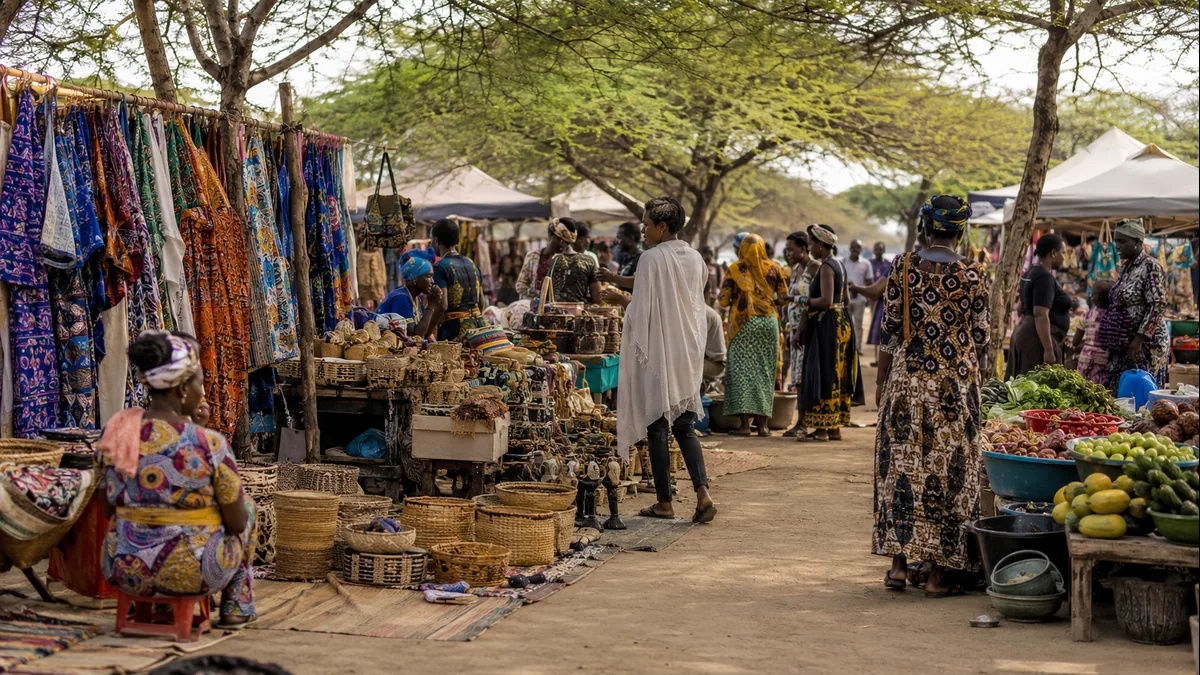
Bargaining is normal in some markets and inappropriate in fixed-price shops. Confirm the currency, negotiate calmly and accept “no.” Tipping varies by country and service; do not assume one percentage applies everywhere.
Choose local guides and fair community-run experiences. Never exploit children for photographs, buy protected wildlife products or pressure people to perform culture for a camera.
Planning comparison
| Situation | Respectful approach | Verify locally |
|---|---|---|
| Greeting | Use a title and greet before asking a question | Handshake and eye-contact custom |
| Sacred site | Dress modestly and follow posted instructions | Shoes, head covering and photography |
| Market | Ask the price and currency before negotiating | Whether prices are fixed |
| Photography | Ask for informed permission | Site, drone and security rules |
Related Africa travel guides
Official sources and further information
For binding or time-sensitive information, consult the exact destination’s official authorities:
- National immigration authority or foreign ministry for entry and legal rules
- National tourism authority for licensed services and visitor information
- National meteorological service for current weather and seasonal hazards
- Ministry of health or recognised public-health authority for health requirements
- Your embassy or consulate for destination-specific travel advice
Frequently asked questions
Is there one African etiquette guide?
No. Customs vary across countries, communities and settings; use this as a preparation framework and follow local guidance.
Should I ask before taking photographs?
Yes, especially for people, ceremonies and private property. Some sites prohibit photography entirely.
Is bargaining expected everywhere?
No. It may be normal in open markets but inappropriate in fixed-price shops.
Private-service disclosure: AfricaTourVisa provides private travel and visa support. It is not an embassy or government authority. Eligibility, government fees and entry decisions remain with the relevant national authority.